Find Your Stopcock Before You Need It
If you've got a serious leak, knowing where to turn the water off can make a huge difference. Don't wait for an emergency to start looking for your stopcock.
Start outside
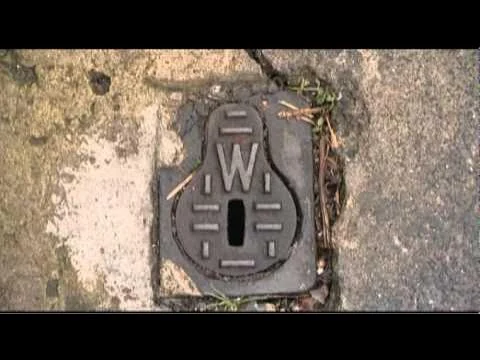
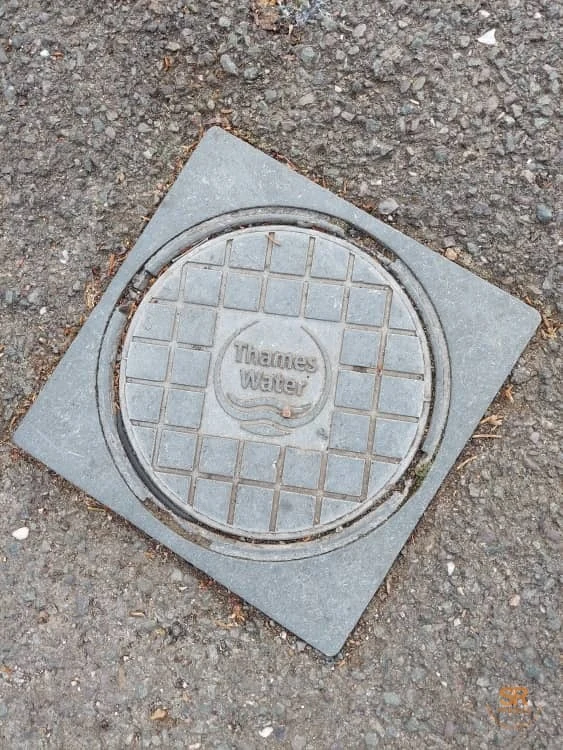
These are the two general types of Thames Water covers you'll commonly see outside. Find yours near the boundary of the property, then imagine a fairly direct line from it towards the house — that's a useful clue to where the incoming main may enter.
What will be underneath?
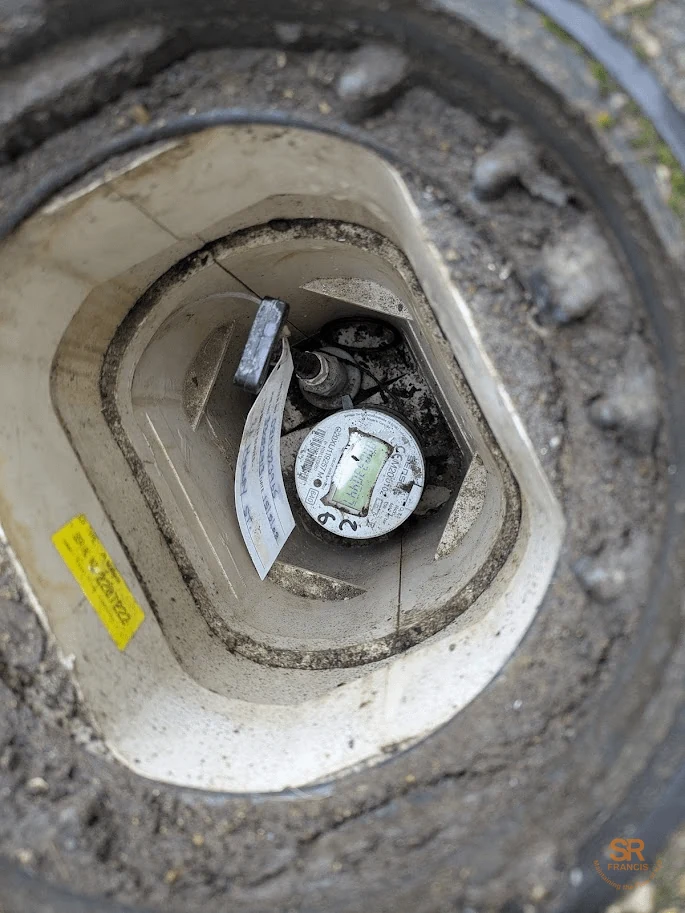
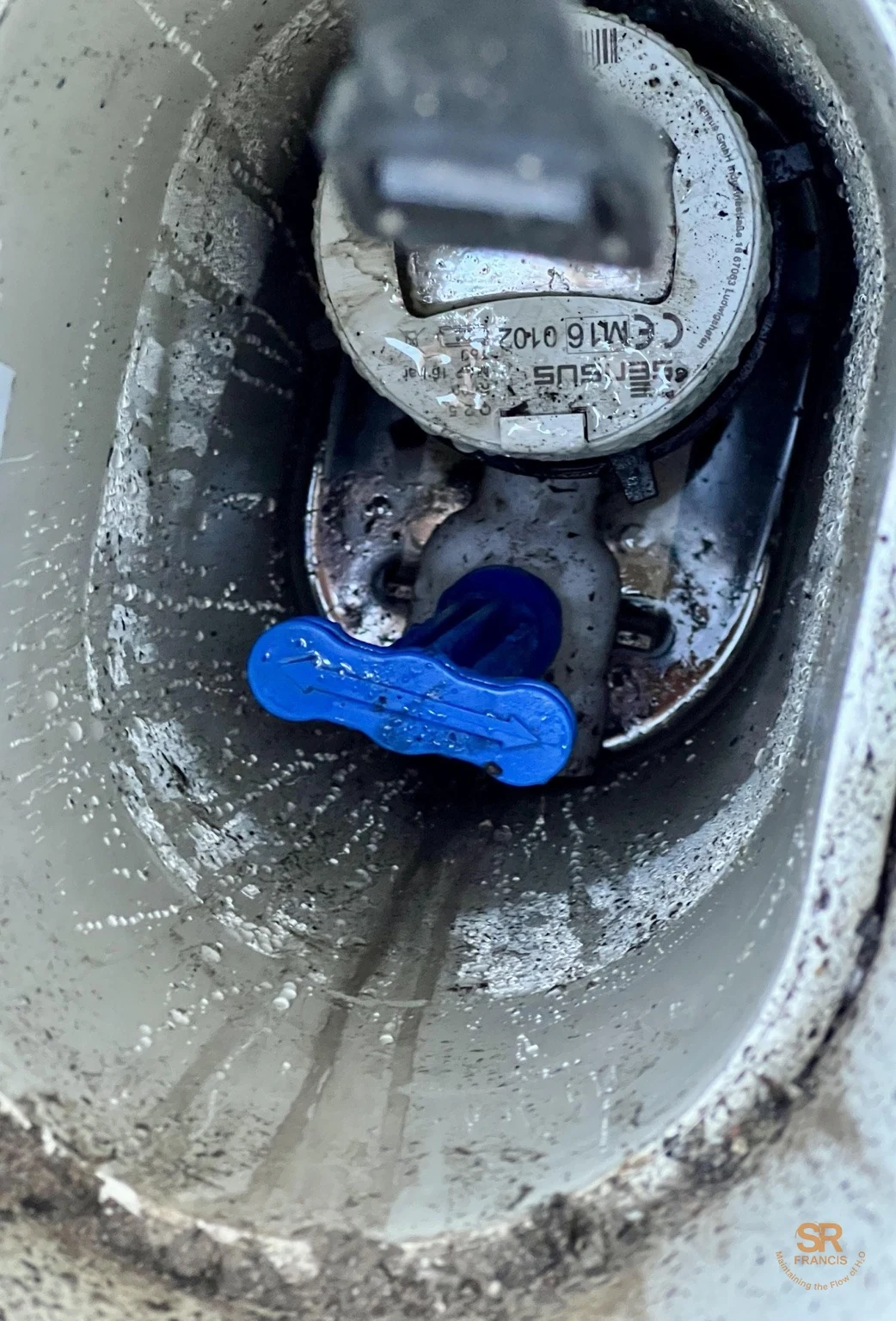
You'll generally find one of these types underneath: an older valve that uses a small plastic key, or a newer blue quarter-turn valve. If yours uses the plastic key, check now that the key is actually there. If you've got the blue quarter-turn type, turn it clockwise a quarter turn until it naturally stops to shut the water off.
Get a replacement and keep it somewhere you can find quickly. In an emergency, if neighbouring properties have the same type of meter box, a neighbour may have the same key and may be able to lend it to you.
Then look inside
In a typical house, the first place I'd check is under the kitchen sink. It could also be under the stairs, in a utility room or garage, or close to wherever the incoming main first enters the property. In flats, look around the first point of entry into the flat.
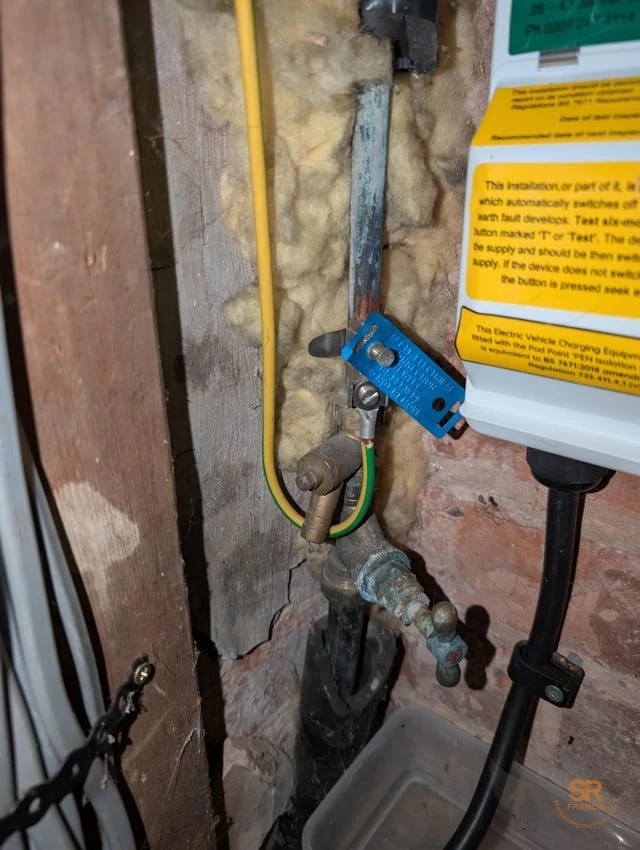
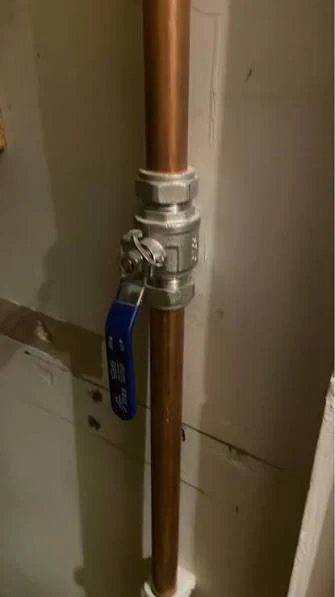
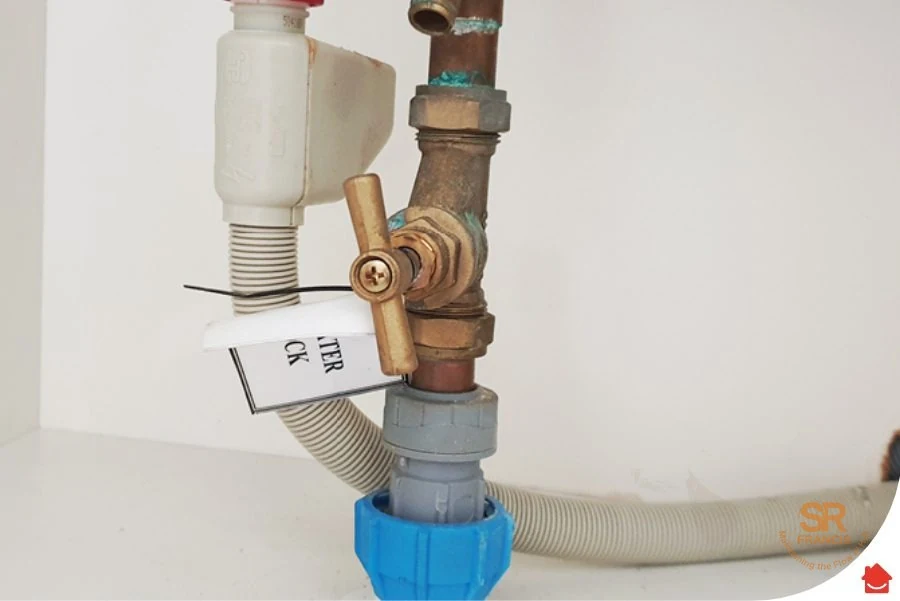
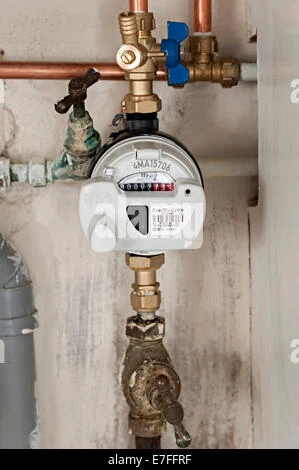
Inside, your main shut-off may be an older tap-style stopcock, a lever valve, or beside an internal water meter. If you've got an internal meter — particularly in a flat — that's a very good place to look.
Find your main stopcock and make sure you know how to get to it. It's much easier to work this out now than at two o'clock in the morning with water coming through the ceiling.
Send me a couple of photos on WhatsApp — including the outside meter or stopcock if you can find it — and I'll happily point you in the right direction when I get a chance.
Not Sure What You're Looking At?
Send me a couple of photos or a short video on WhatsApp and I'll happily give you some advice for free. It's just me answering the messages, so I might not always reply straight away, but I'll always get back to you as soon as I can. If I can help just by answering a question, I'm more than happy to.
Need a Bit of Advice?
Call Steve or send a photo or short video on WhatsApp.