



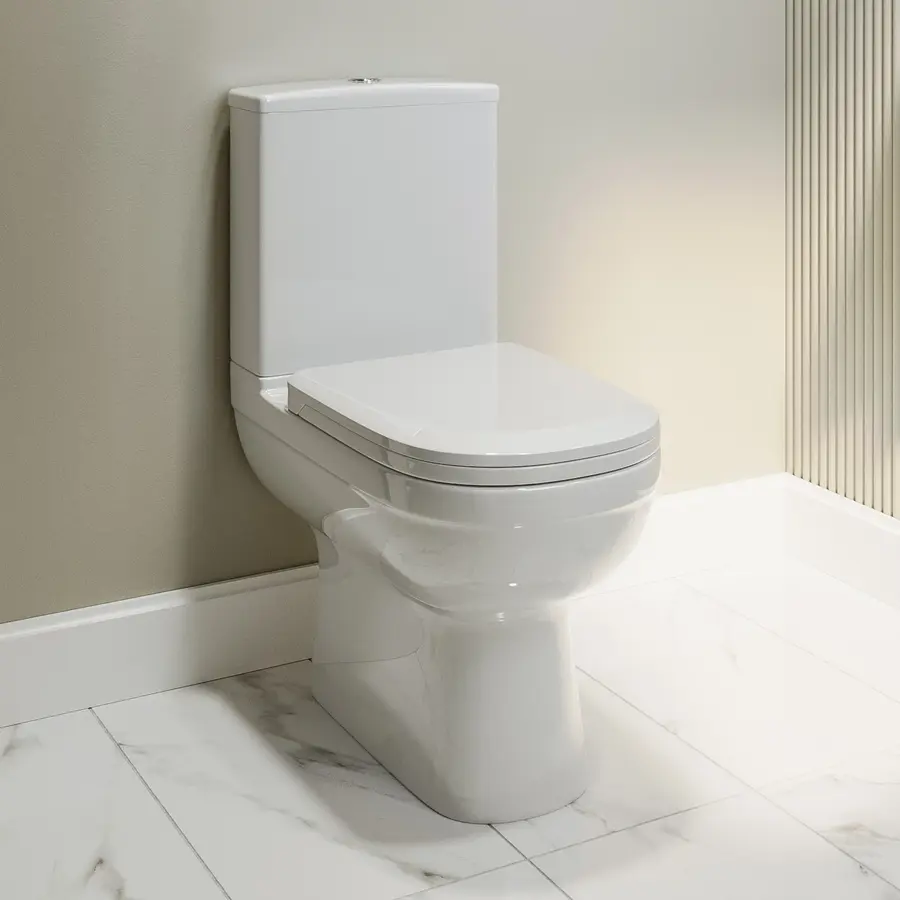
Close-coupled
The cistern sits directly on the pan. Water running into the bowl is normally a fill-valve, flush-valve or siphon issue. Water appearing outside while flushing may come from the close-coupling seal or the pan connector.
Water constantly running into the pan, a toilet that won't flush or fill properly, a leak around the base or waste pipe, or trouble with a concealed cistern? As your Bromley plumber, toilet repairs are one of the jobs I deal with day in, day out.
The cistern sits directly on the pan. Water running into the bowl is normally a fill-valve, flush-valve or siphon issue. Water appearing outside while flushing may come from the close-coupling seal or the pan connector.
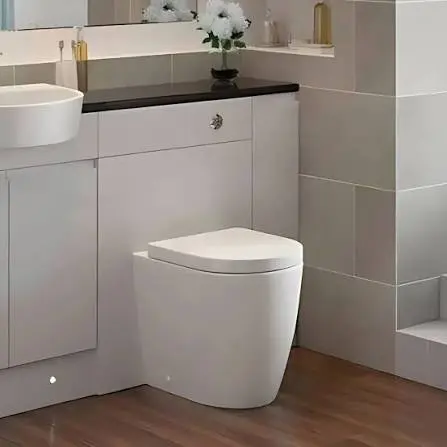
The pan is visible but the cistern is concealed. Internal running faults are still usually the fill or flush valve; an external leak can involve the flush-pipe seal or pan connector.
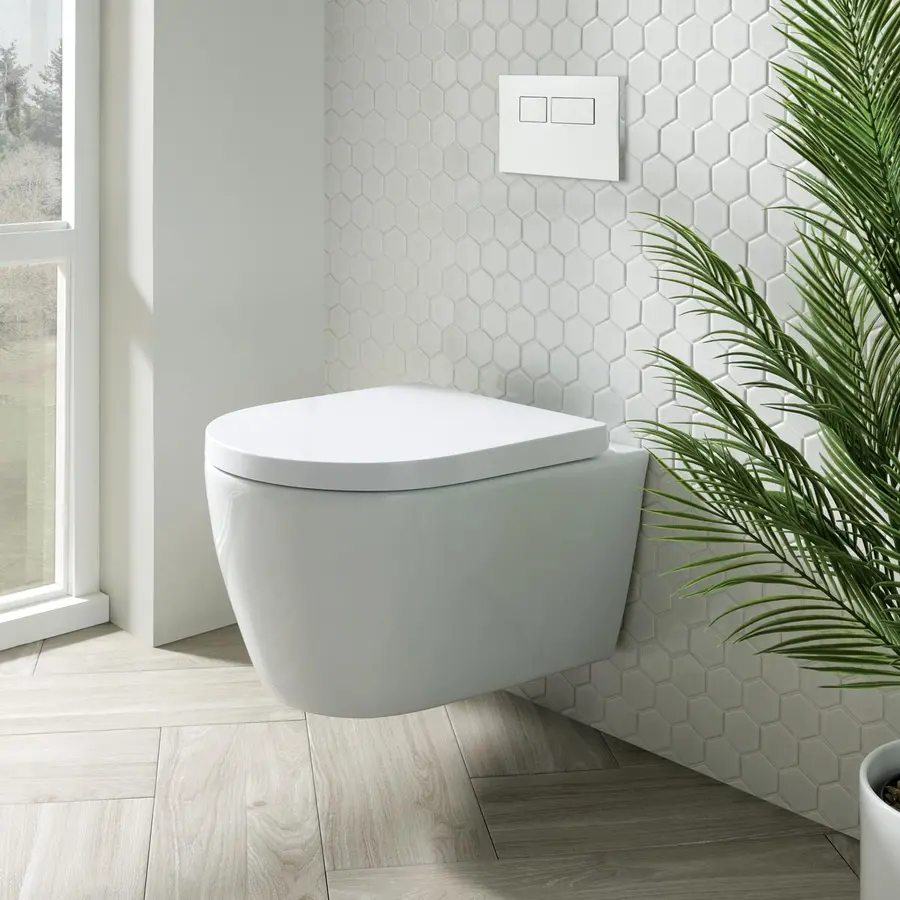
The pan is mounted on a frame with a concealed cistern. The same fill, flush, flush-pipe and waste connections do the work even though the installation looks different.
If the toilet has a rectangular flush plate, the serviceable parts are normally designed to pass through that opening. It can be fiddly, but tiles do not automatically need to be removed. The key is identifying the make and getting the correct valve, seal or siphon before returning to fit it.
This short subtitled video shows the original problem, the cistern dismantled and the repaired toilet flushing correctly. It loads only after play is pressed.
“Repair of a Toilet / WC in Petts Wood, Orpington. Broken concealed cistern and flush syphon. Steve, responded straight away to my evening message and came next morning and carried out a great repair. Left all working and clean and tidy. Very knowledgeable of faults and parts and knew what to do. Explained all to me which was good information to know.”Christopher Smith — Google review
If your cistern is hidden behind tiles or inside a fitted unit, it doesn't automatically mean anything needs ripping out. Most modern concealed systems are designed so the working parts can be accessed through the flush-button opening. I deal with these systems regularly and, in many cases, the correct flush valve, fill valve, seal or washer can be identified and replaced without disturbing the surrounding tiling.
Most toilet faults are much simpler than they look. These are the questions I hear all the time and the first things I look for when I get there.
There isn't a great mystery to a constantly running toilet. It's normally the fill valve or the flush valve — the job is working out which one. If the cistern is constantly running, those are still the two main things I check first.
Most modern toilets use an internal overflow, so if something isn't shutting off properly the water is directed back into the bowl where you can see it. Homeowners often describe the same fault as water trickling into the toilet bowl or water running back into the pan.
If the flush valve or its seal is letting by, water is escaping from the cistern into the pan. If the fill valve isn't shutting off properly, the cistern can overfill and the excess water goes down the internal overflow into the bowl.
Watch the video — do Steve's Tissue Test yourselfWatch the video, do the tissue test yourself, and you'll know for sure.If it runs for a short while and then stops completely, there may be nothing wrong with it.
On a traditional rimmed toilet, some water can remain in the rim after the flush and continue to trickle into the bowl for a short time. If it eventually stops, that can be perfectly normal.
If the water doesn't stop, that's when I start looking at the fill valve or flush valve. If your toilet won't stop running at all, that's a fault rather than the normal short trickle after a flush.
If it used to refill normally and has gradually become slower, the fill valve is the first thing I'd look at.
Older fill valves can become worn, scaled up or restricted and simply don't let the water through as well as they used to.
If the toilet has always filled slowly, that's slightly different. You may have a gravity-fed supply with a fill valve intended for higher pressure, or the available water pressure may simply be poor. I establish what supply you've actually got before changing anything.
Not sure what plumbing system you've got? Use Steve's “What Type of Plumbing & Hot-Water System Have I Got?” Homeowner Hint.The answer depends on the type of flush mechanism fitted.
On an older lever-operated toilet, the problem is commonly the siphon or the diaphragm inside it, although sometimes the handle itself has become loose or is slipping.
On a modern push-button toilet, a cable-operated flush can fail because the button, cable or connection has failed or become detached. Pneumatic push buttons use air pressure; the button or bellows can fail, or one of the small air hoses can come off.
These faults are not always obvious from outside the cistern, particularly with concealed toilets, but once I can see which mechanism is fitted it's usually straightforward to work out what's failed.
It's normally the fill valve or the flush valve — one or the other.
If the flush valve or seal is letting water escape into the bowl, the fill valve keeps replacing it because the cistern never stays satisfied. The fill valve may actually be doing exactly what it is supposed to do.
Alternatively, the fill valve itself may not be shutting off properly because it is worn, scaled up or has debris trapped inside it.
I've also seen this after work on the water main outside. When the supply is turned back on, small amounts of grit or debris can travel up the main and find their way into the tiny waterways inside a toilet fill valve. If that prevents the valve sealing properly, the toilet can continue filling even though the cistern is already full.
It's normally either excessive water pressure or a problem with the fill valve.
Some modern fill valves shut the incoming water off very quickly. With high pressure behind the water, that sudden stop can send a shock through the pipework. If part of the pipework isn't well clipped, it can vibrate or produce a humming or banging noise.
Older fill valves can make a different noise as the float rises and the valve gradually restricts the incoming water. Under higher pressure, that restricted flow can produce the familiar hissing or whistling sound you hear while a toilet is filling.
Most of the time, the first thing I'd check is how much water is actually being released when you flush it.
Modern toilets generally use less water than older toilets and many have a dual flush. But the flush valve doesn't know how much water is sitting in the cistern. If the fill level or flush valve has been set incorrectly, what you think is a full flush may actually be releasing considerably less water.
That can leave you flushing two or three times to clear the pan. There can be other causes, including the way the toilet or waste pipework has been installed, but checking the actual water level and flush setup is one of the first places I'd start.
Running water, poor or failed flushing, a cistern that won't fill properly, broken flush buttons, faulty flush or fill valves, and leaks around the toilet or waste connection are all everyday repairs. I carry a growing range of commonly used valves, seals and washers on the van so many ordinary faults can be repaired on the first visit. Occasionally an unusual or older system will need a specific part sourced. If the toilet is blocked rather than faulty, see blocked toilets, sinks and wastes.
Call Steve to arrange a visit, or if it’s easier, WhatsApp a photo or short video first and I’ll give you some quick advice on the best way forward.
If Thames Water has contacted you about unusually high water usage but you can't see an obvious leak, check your toilets. A faulty flush valve or fill valve can allow water to continuously run into the toilet pan. It can be surprisingly difficult to notice, but over time it can waste a considerable amount of water.
Not sure? If you want, WhatsApp Steve a short video of the toilet and I'll take a look and give you some advice for free.
Read the Thames Water Leak Letter Homeowner HintSee the full Homeowner Hint and what to do next.